
What Jewelry Brands Should Know Before Partnering with Diamond Suppliers

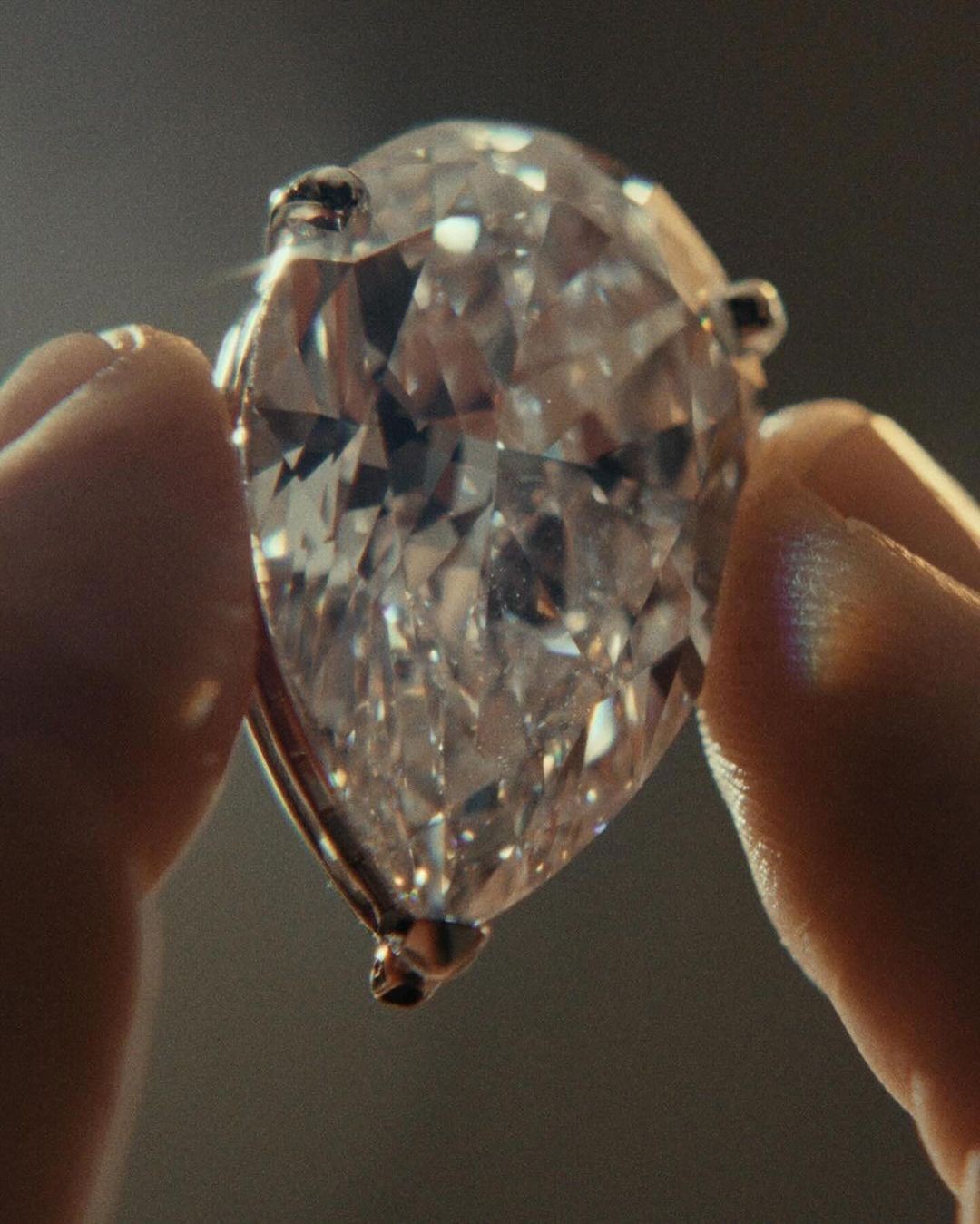
What Jewelry Brands Should Know Before Partnering with Diamond Suppliers
The global diamond trade has undergone a paradigm shift. Today’s jewelry brands are no longer just looking for the best price per carat; they are seeking transparency, consistency, and a partner who understands the nuances of a high-end clientele. For brands looking to scale, the supplier choice is the most significant variable in their success.
1. The Criticality of Institutional Certification
The first rule of diamond procurement is that a supplier’s word is never a substitute for a third-party laboratory’s grade. Brands must ensure their supplier deals primarily in GIA-certified diamonds in Dubai.
- Consistency is Currency: A supplier that uses inconsistent or "in-house" labs creates a liability for the jewelry brand. If a stone is over-graded, the brand risks its reputation when the end consumer has the piece appraised.
- The GIA Benchmark: The Gemological Institute of America remains the only universally respected authority that maintains resale value and consumer trust. A partnership should be built on the bedrock of these standards.
2. Ethical Integrity: Beyond the Paperwork
In 2026, a brand’s ethical footprint is as visible as its designs. Partnering with a supplier that treats ethics as an afterthought is a catastrophic risk.
- RJC Membership: Brands should look for suppliers who are certified members of the Responsible Jewellery Council (RJC). This ensures that the diamonds are not just conflict-free under the Kimberley Process, but that the entire supply chain adheres to rigorous human rights and environmental standards.
- Natural Origins: With the rise of lab-grown alternatives, brands must be certain of the "nature" of their inventory. Reliable suppliers provide a guarantee of natural diamonds in Dubai, ensuring that the geological rarity-and thus the investment value-of the jewelry remains intact.
3. The "Antwerp Connection": Heritage vs. Middlemen
Experience in the diamond trade is measured in generations, not years. A brand should investigate the lineage of their supplier.
- Market Insight: A third-generation diamantaire, like those leading Reve Diamonds, brings an "eye" for stones that a corporate procurement officer might lack. They can identify "sleepers"-stones that possess a fire and brilliance far beyond what their technical grade suggests.
- Direct Sourcing: Brands should aim to partner with suppliers who have direct ties to major diamond hubs like Antwerp. This proximity to the source reduces the "middleman markup," allowing the jewelry brand to maintain healthier margins while offering competitive prices for bespoke engagement rings in Dubai.
4. Technical Support and Bespoke Capability
A modern diamond supplier should be more than a wholesaler; they should be a technical extension of your own design team.
- CAD and Prototyping: Does the supplier offer 3D design support? For brands specializing in custom work, having a supplier that can provide high-fidelity CAD renders or 3D-printed models is invaluable.
- Consistent Parcels: For brands with "signature" collections, the supplier must be able to provide "parcels" (groups of small diamonds) that are perfectly matched in color, cut, and clarity. Even a slight mismatch in melee diamonds can ruin the aesthetic of a high-jewelry piece.
FAQ: Partnering with Diamond Suppliers
Why is RJC certification important for my brand?
RJC certification is an external audit of a supplier’s ethics. For a jewelry brand, it provides a "safety net," ensuring that you can tell your customers with 100% certainty that their diamonds were sourced responsibly.
Should I prioritize price over cut quality in wholesale?
Never. A poorly cut diamond is difficult to sell, regardless of the price. A high-quality cut ensures the jewelry has the "sparkle" that drives sales. A reputable supplier will always prioritize "Excellent" to "Ideal" cuts.
How does the Dubai location benefit my jewelry brand?
Dubai is a tax-efficient hub with world-class logistics. Partnering with a Dubai-based supplier like Reve Diamonds allows for faster shipping, lower import duties, and access to one of the world's largest diamond exchanges.
Can a supplier help with bespoke jewelry design?
Yes. Leading suppliers now offer "Full Service" solutions, where they not only provide the diamond but also assist in the CAD design and casting of the final piece, acting as a manufacturing partner.
What is the advantage of a family-led diamond firm?
Family-led firms, especially those with Antwerp roots, rely on their reputation. They are more likely to offer personalized service and long-term consistency than large, impersonal conglomerates.
Is it necessary to have every small diamond GIA certified?
While center stones should always be GIA certified, "melee" diamonds (small stones) are usually sold in calibrated parcels. However, your supplier should guarantee that these parcels are tested to be 100% natural.
Conclusion: The Foundation of Luxury
A jewelry brand is only as strong as its weakest link. By choosing a diamond supplier that emphasizes GIA certification, ethical RJC standards, and a deep Antwerp heritage, a brand secures more than just stones-it secures its future.
At Reve Diamonds, we provide the transparency and craftsmanship required to turn a jewelry label into a legacy.
Are you a jewelry house or private designer looking for a premier diamond partner in Dubai? Contact our B2B team at Reve Diamonds today to discuss a strategic partnership.
