
Lab-Grown vs. Natural Diamonds: What Every Buyer Should Know

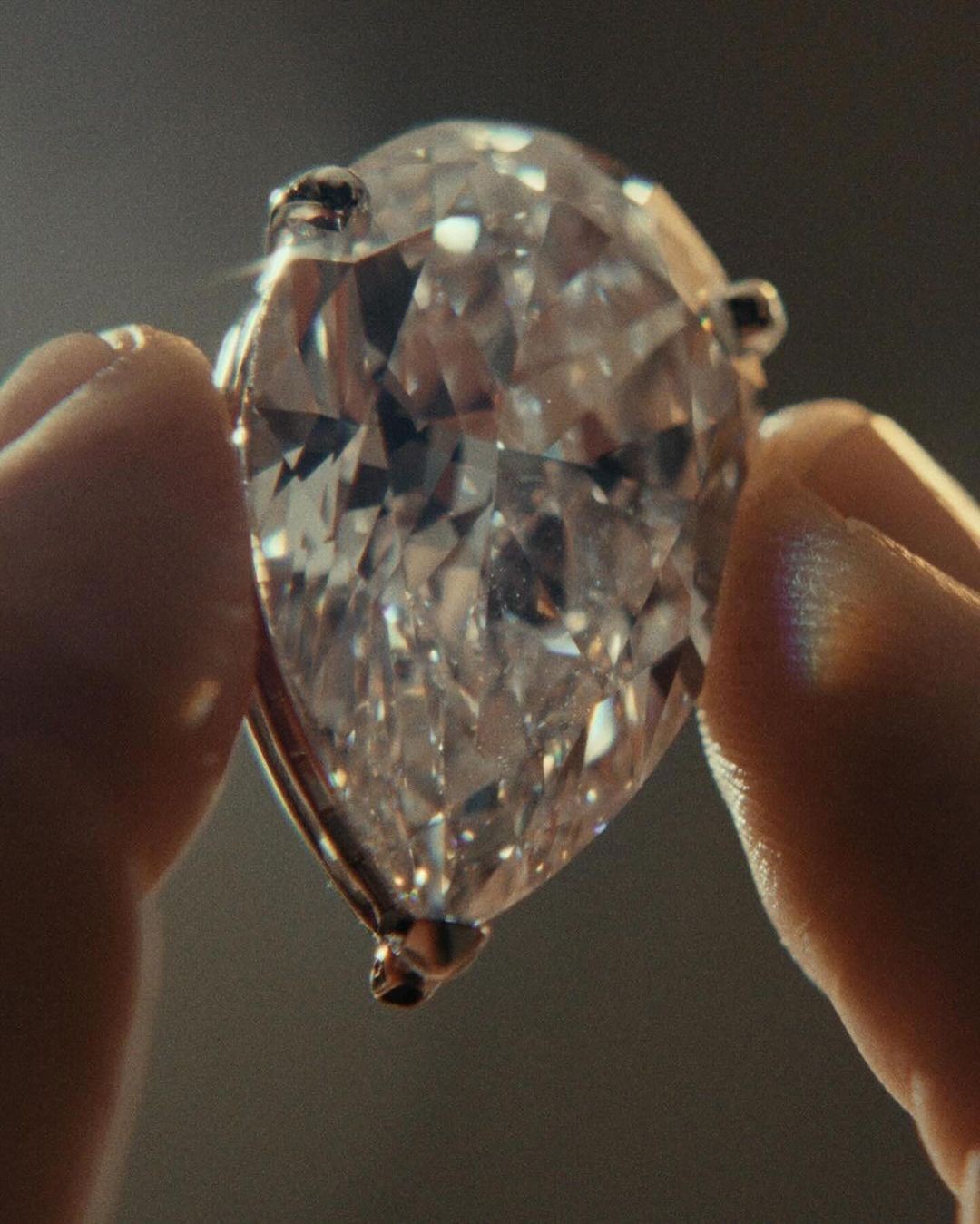
Lab-Grown vs Natural Diamonds: What Every Buyer Should Know
The diamond industry is undergoing its most significant shift in over a century.
Alongside the world of natural diamonds-formed deep within the earth over billions of years-there now exists a rapidly growing alternative: lab-grown diamonds. Chemically identical. Visually indistinguishable. And often priced 60-80% lower.
For modern buyers, especially those looking to buy an engagement ring in Dubai, the question is no longer whether lab-grown diamonds exist. The question is which one makes sense for you.
This guide explores the difference between lab-grown vs natural diamonds from a professional, industry-led perspective-focusing not just on price, but on value, longevity, resale, and the psychology of luxury.
Not marketing. Not ideology. Just facts, context, and real-world insight.
What Is a Natural Diamond?
A natural diamond is formed under extreme heat and pressure within the earth’s mantle, over a period of 1 to 3 billion years.
They are:
- Finite in supply
- Geologically rare
- Extracted through mining
- Traded globally as physical assets
Natural diamonds form the backbone of the global diamond market-used in high jewellery, auctions, investment portfolios, and family heirlooms.
Explore: /natural-diamonds-dubai
What Is a Lab-Grown Diamond?
A lab-grown diamond is created in a controlled environment using advanced technology that replicates the natural diamond-growing process.
Two main methods:
- HPHT (High Pressure High Temperature)
- CVD (Chemical Vapor Deposition)
The result is a diamond that is:
- Chemically identical to natural
- Optically identical
- Graded using the same 4 Cs
- Often certified by IGI or GIA
To the naked eye-and even under magnification-a lab-grown diamond is indistinguishable from a natural one.
The difference is not visual.
It is economic and philosophical.
Lab-Grown vs Natural Diamonds: The Key Differences
1. Origin and Rarity
Natural diamonds:
- Formed by nature over billions of years
- Finite global supply
- Each stone is geologically unique
Lab-grown diamonds:
- Created in weeks
- Unlimited potential supply
- Scalable production
From a luxury perspective, rarity matters.
From a technological perspective, scalability matters.
They serve different values.
2. Price and Market Value
This is where the gap is most visible.
Lab-Grown Diamonds:
- 60-80% cheaper than natural
- Prices continue to decline annually
- Production costs are falling
Natural Diamonds:
- Stable global pricing structures
- Traded on international price lists
- Retain long-term market value
Professionals see lab-grown diamonds as depreciating technology products.
They see natural diamonds as finite physical assets.
Both are real diamonds.
Only one behaves like a commodity.
3. Resale and Long-Term Value
This is the most misunderstood area.
Natural Diamonds:
- Can be resold globally
- Traded between dealers
- Accepted by auction houses
- Insurable as tangible assets
Lab-Grown Diamonds:
- Limited resale market
- No established secondary trading
- Rapid depreciation
- Minimal long-term liquidity
In professional diamond markets, lab-grown stones are rarely bought for resale. They are bought for use, not value preservation.
4. Certification and Grading
Both natural and lab-grown diamonds are graded using the same 4 Cs:
- Cut
- Color
- Clarity
- Carat
However:
- Natural diamonds are most often certified by GIA
- Lab-grown diamonds are commonly certified by IGI
While GIA does grade lab-grown stones, professional markets still place higher trust and resale value on GIA-certified natural diamonds.
Explore: /gia-certified-diamonds-dubai
5. Ethics and Sustainability
This is often cited as a reason to choose lab-grown diamonds.
Lab-Grown:
- No mining required
- Lower land impact
- Energy-intensive production
- Carbon footprint varies by facility
Natural:
- Modern diamond industry is heavily regulated
- Kimberley Process certification
- Increasing ESG standards
- Supports entire economies and communities
Ethics is not binary. Both sectors are evolving.
Sustainability depends less on category and more on how and where production occurs.
The Psychology of Luxury: Why Natural Diamonds Still Dominate
Luxury is not defined by chemical composition.
It is defined by story, rarity, and meaning.
Natural diamonds carry:
- Geological history
- Cultural symbolism
- Emotional permanence
- Generational value
This is why:
- High jewellery houses still use natural diamonds
- Auction records feature natural diamonds
- Family heirlooms are natural diamonds
- Investment portfolios hold natural diamonds
Lab-grown diamonds represent innovation.
Natural diamonds represent legacy.
They are not competing in the same emotional category.
Which One Is Better for an Engagement Ring?
The answer depends on your priorities.
Choose Lab-Grown If:
- Budget is the primary factor
- You want maximum size for price
- You view the ring as fashion jewellery
- Resale is not important
Choose Natural If:
- You value rarity and permanence
- You care about long-term worth
- You want heirloom potential
- You see the ring as a legacy piece
Most luxury buyers in Dubai still choose natural diamonds for engagement rings, especially for bespoke commissions.
Explore: /bespoke-engagement-rings-dubai
The Dubai Market Perspective
Dubai is unique because it is both:
- A luxury retail destination
- A global diamond trading hub
This creates a rare environment where:
- Natural diamonds dominate professional trading
- Lab-grown diamonds exist primarily in retail channels
- Buyers have access to both at transparent pricing
Professionals operating in Dubai tend to:
- Trade natural diamonds
- Use lab-grown for fashion pieces
- Recommend based on client intent, not margin
This dual-market structure gives Dubai buyers one of the most informed diamond ecosystems in the world.
The Insider View: How Professionals Think About This Debate
Within the diamond trade, there is no emotional conflict.
The industry view is simple:
Lab-grown diamonds are a product.
Natural diamonds are an asset.
Lab-grown diamonds are excellent for:
- Design experimentation
- Trend-driven jewellery
- Entry-level luxury
Natural diamonds are preferred for:
- Engagement rings
- Investment stones
- High jewellery
- Long-term collections
One is not “better” than the other.
They serve fundamentally different purposes.
Common Myths About Lab-Grown vs Natural Diamonds
Myth 1: Lab-grown diamonds are fake
False. They are real diamonds, chemically identical.
Myth 2: Lab-grown diamonds hold value
Mostly false. They depreciate like technology.
Myth 3: Natural diamonds are unethical
Outdated. The modern industry is highly regulated.
Myth 4: You can’t tell the difference
True visually. But value is not visual.
Myth 5: Lab-grown diamonds will replace natural
Unlikely. They serve different markets entirely.
FAQ: Lab-Grown vs Natural Diamonds
1. Are lab-grown diamonds real diamonds?
Yes. They are chemically and physically identical to natural diamonds.
2. Are lab-grown diamonds cheaper?
Yes. Typically 60-80% less expensive than natural diamonds.
3. Do lab-grown diamonds have resale value?
Very limited. There is no established secondary market.
4. Which is better for engagement rings?
Natural diamonds for long-term value and legacy. Lab-grown for budget and size.
5. Can lab- grown diamonds be GIA certified?
Yes, but most are certified by IGI. GIA remains more trusted for natural diamonds.
6. Are lab-grown diamonds more ethical?
Not necessarily. Sustainability depends on energy source and production practices.
7. Will lab-grown diamonds replace natural diamonds?
No. They serve different emotional, financial, and luxury roles.
Final Perspective: Choosing Between Innovation and Legacy
The debate between lab-grown vs natural diamonds is not about science.
It is about intention.
If you are buying jewellery as a design object-lab-grown offers remarkable value.
If you are buying a diamond as a symbol, an heirloom, or a long-term asset-natural diamonds remain unmatched.
In professional diamond markets, this distinction is already settled.
One represents technological achievement.
The other represents geological rarity.
Both are diamonds.
Only one carries time itself.
