
How to Travel Safely with High-Value Jewelry
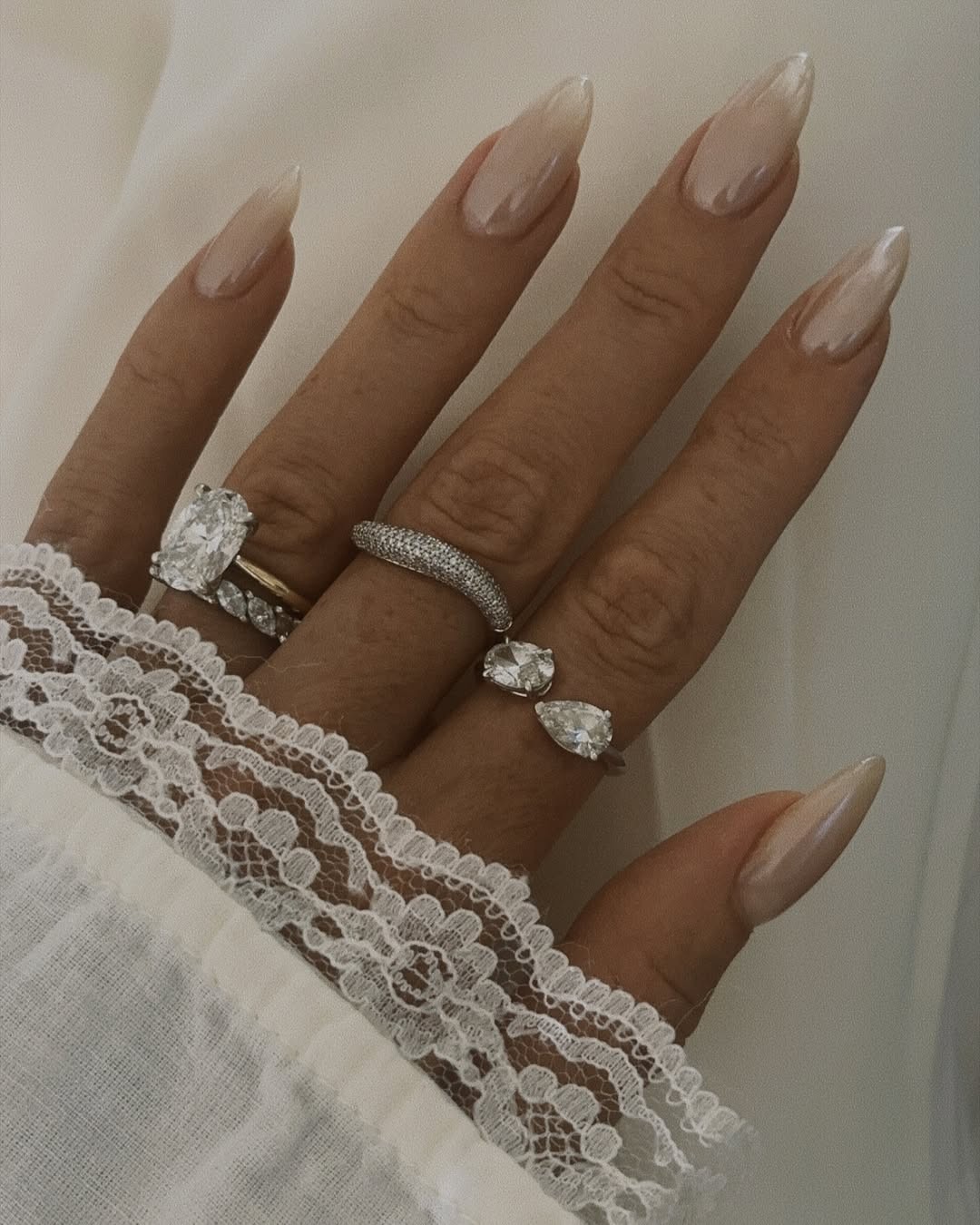
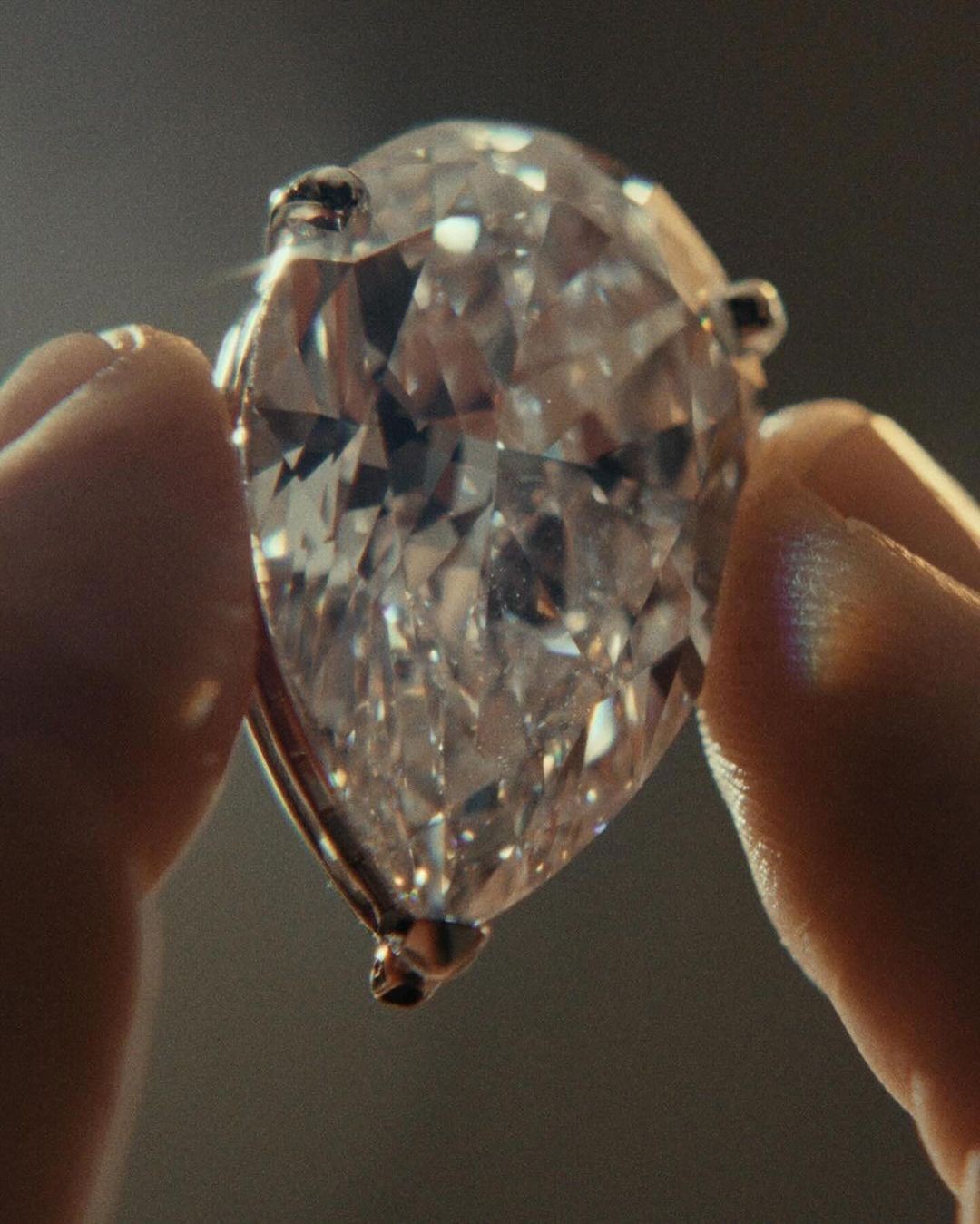
How to Travel Safely with High-Value Jewelry
Traveling with exquisite jewelry allows you to carry a piece of home and personal style wherever you go. However, transporting high-value items requires a strategy that balances elegance with extreme caution. Whether you are carrying bespoke engagement rings in Dubai or heirloom natural diamonds, the goal is to ensure your treasures arrive and return as safely as you do.
As experts in the diamond trade, Reve Diamonds understands that the value of jewelry is both financial and sentimental. Here is the definitive guide to traveling with luxury jewelry in 2026.
1. Pre-Travel Preparation: The Jewelry Audit
Before you even open your suitcase, you must perform a "Jewelry Audit." Documentation is your first line of defense.
- Photograph Everything: Take high-resolution photos of each piece you plan to bring. Capture the hallmark, any unique inclusions, and a photo of the piece being worn.
- Digital Inventory: Store copies of your GIA-certified diamonds reports and original purchase receipts in a secure cloud folder (like iCloud or Google Drive) accessible from your phone.
- The "Rule of Three": To minimize risk, limit yourself to three versatile pieces: one daily set (rings/studs), one watch, and one statement piece for formal events.
2. Navigating the Airport: Carry-On is Non-Negotiable
The golden rule of jewelry travel: Never put high-value jewelry in checked luggage. Checked bags are subject to rough handling, mechanical sorting errors, and, unfortunately, theft. Keep your jewelry in your "personal item" (the bag that stays under the seat in front of you), not the overhead bin.
Security Checkpoint Best Practices:
- Wear Subtle Pieces: Delicate chains, small studs, and wedding bands rarely trigger metal detectors. Keeping them on your person is often safer than placing them in a bin.
- The Private Screening Option: If you are carrying a significant amount of jewelry, you have the right to request a private screening. This prevents onlookers from seeing your valuables during the X-ray process.
- Avoid Loose Items: Never place loose rings or earrings directly into the plastic security bins. They can easily bounce out or be forgotten.
3. Storage Solutions: Beyond the In-Room Safe
Once you arrive at your destination, the temptation is to toss your jewelry into the hotel’s in-room safe. While convenient, these "little metal boxes" are not always as secure as they seem.
Strategic Hiding Spots:
If you must leave jewelry in the room, consider "the decoy move." Leave a few pieces of inexpensive costume jewelry in the safe, while hiding your natural diamonds in less obvious, "boring" containers:
- An empty, cleaned-out sunscreen bottle.
- Inside a rolled-up pair of socks deep in your suitcase.
- A travel-specific "portable safe" that cables to a heavy piece of furniture.
Pro Tip: For ultra-high-value items, ask if the hotel has a main vault at the front desk. These are significantly more secure than in-room units.
4. International Customs: Declare to Protect
When crossing international borders, high-value jewelry may be subject to declaration.
- The $10,000 Threshold: Many countries (including the US and UAE) require you to declare "monetary instruments" or commercial goods over $10,000. While personal jewelry often falls under a different category, carrying your original sales receipts proves you didn't buy the items abroad to avoid import taxes.
- Carnet for Business: If you are traveling for business with a collection of samples, look into an ATA Carnet—a "merchandise passport" that allows for tax-free temporary export.
FAQ: Jewelry Travel Security
Should I wear my engagement ring at the beach?
No. Cold water causes fingers to shrink, making it incredibly easy for a ring to slip off unnoticed. Additionally, sand is abrasive and can scratch precious metals or loosen prongs.
Does travel insurance cover my jewelry?
Standard travel insurance often has a "per-item" limit (usually $500–$1,500), which is far too low for luxury pieces. You need a Personal Articles Floater (PAF) or a dedicated jewelry insurance policy that offers "worldwide coverage."
How do I prevent my necklaces from tangling in my bag?
A simple pro hack: Thread one end of the chain through a drinking straw and clasp it. This keeps the chain rigid and prevents the "ball of knots" that can lead to broken links.
Is it safe to leave jewelry with the hotel concierge?
In 5-star establishments, the "manager's safe" or main vault is usually very secure. Always get a written, signed receipt for the items, including a brief description of the pieces.
What should I do if my jewelry is stolen abroad?
- File a police report immediately (you will need this for insurance).
- Notify your insurance provider within 24 hours.
- Provide the digital photos and GIA reports you prepared earlier to aid in recovery.
Conclusion: Travel with Confidence
The secret to traveling with high-value jewelry is discretion. By choosing a select few pieces, keeping them in your sight during transit, and ensuring they are backed by the right documentation and insurance, you can focus on the journey rather than the "what ifs."
At Reve Diamonds, we recommend a professional "security check" for your jewelry before any major trip. We can ensure your stones are tight and your clasps are strong.
