
How to Read a GIA Certificate Like a Professional
How to Read a GIA Certificate Like a Professional
In the global diamond trade, the GIA certificate is not paperwork.
It is the diamond’s passport.
Whether you are sourcing an investment-grade stone or planning to buy an engagement ring in Dubai, your ability to read a GIA certificate correctly determines whether you are making a confident acquisition-or an expensive mistake.
Most buyers glance at the 4 Cs and stop there. Professional diamantaires read far deeper.
This guide explains how to read a GIA certificate the way industry insiders do-with precision, context, and a critical eye for the details that actually influence beauty, rarity, and value.
What Is a GIA Certificate?
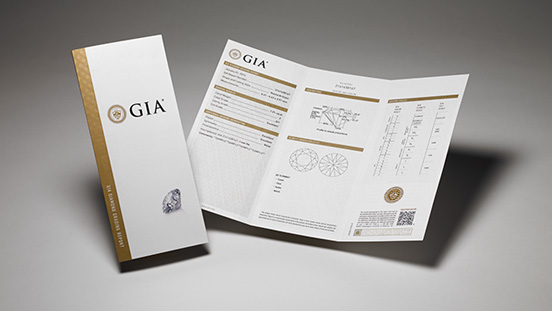
A GIA (Gemological Institute of America) certificate, officially called a GIA Diamond Grading Report, is an independent evaluation of a diamond’s characteristics performed by the world’s most respected gemological authority.
Unlike commercial lab reports, GIA grading is:
- Strict and conservative
- Free from commercial bias
- Accepted globally by insurers, auction houses, and traders
A GIA report allows diamonds to be:
- Compared objectively
- Priced transparently
- Resold internationally
- Insured accurately
In professional markets like Dubai, GIA is the baseline standard, not a premium add-on.
Explore: /gia-certified-diamonds-dubai
Why Learning to Read a GIA Report Matters
Two diamonds can look similar and be priced very differently.
The difference usually lies inside the certificate.
A trained eye can:
- Spot overgraded stones
- Identify hidden value
- Avoid structural risks
- Optimise the 4 Cs intelligently
Retail buyers read certificates for reassurance.
Professionals read them for strategy.
Anatomy of a GIA Diamond Report
A standard GIA report contains several sections. Each serves a specific purpose.
Understanding how they work together is key.
1. Report Number
The unique identification number assigned by GIA.
Used for:
- Online verification
- Insurance documentation
- Laser inscription tracking
Always verify the number on GIA’s official database before purchase.
Shape & Cutting Style
This tells you:
- The diamond’s outline (round, oval, emerald, etc.)
- Its facet arrangement (brilliant, step cut, mixed)
This is not aesthetic information-it affects:
- Light performance
- Pricing category
- Resale liquidity
Round brilliants dominate global trade due to their brilliance and market demand.
Measurements
The exact dimensions of the diamond in millimetres.
Example: 6.45 × 6.48 × 3.98 mm
Professionals use measurements to assess:
- Visual spread (how big it looks)
- Depth efficiency
- Hidden weight
Two diamonds with the same carat can appear very different depending on proportions.
The 4 Cs Section
This is where most buyers focus-but also where most misunderstand.
Carat Weight
The diamond’s weight, not size.
Professionals look at:
- Weight-to-spread ratio
- Price brackets (0.90 vs 1.00)
- Visual presence
Never evaluate carat without checking measurements.
Color Grade
Scale: D (colorless) to Z (light yellow)
Industry sweet spot:
- G-H for most engagement rings
Professionals balance color with:
- Cut quality
- Setting metal
- Diamond size
Higher color is not always better value.
Clarity Grade
Scale: FL to I3
Professionals prioritise:
- Eye-clean stones
- VS1-VS2 ideal range
- SI1 acceptable if truly clean
Higher clarity beyond this offers no visible benefit.
Cut Grade (Round Diamonds Only)
GIA assigns cut grades only to round brilliants.
Look for:
- Excellent cut
- Excellent symmetry
- Excellent polish
This is the single most important beauty indicator.
Proportions: Where Professionals Really Look
Most retail buyers ignore this section.
Professionals don’t.
Table Percentage
Controls how light enters the diamond.
Ideal range: 54%-58%
Depth Percentage
Affects brilliance and size appearance.
Ideal range: 60%-62.5%
Crown & Pavilion Angles
Determine light return efficiency.
These numbers matter more than color or clarity.
This is where beauty is engineered.
Fluorescence
Often misunderstood, often mispriced.
Fluorescence refers to how a diamond reacts to UV light.
Most common: None to Faint.
Professionals consider:
- Strong fluorescence can reduce price
- Sometimes improves face-up whiteness
- Rarely affects appearance negatively
Fluorescence is a pricing tool, not a flaw.
Clarity Plot: The Diamond’s Fingerprint
This diagram maps internal inclusions and external blemishes.
Professionals assess:
- Location of inclusions
- Type (feather, crystal, cloud)
- Proximity to edges
- Structural risk
A VS2 can be better than a VS1 depending on where the inclusions sit.
The plot reveals more than the grade.
Comments Section
This is where important truths often hide.
May include:
- Additional treatments
- Laser inscriptions
- Cloud density notes
- Clarity warnings
Never skip the comments.
This is where professionals slow down.
Laser Inscription
Many GIA diamonds are laser-inscribed with the report number on the girdle.
This allows:
- Physical verification
- Anti-fraud protection
- Matching stone to certificate
Always confirm inscription under magnification.
GIA vs Other Certificates
Not all labs are equal.
GIA
- Strictest grading
- Global acceptance
- Conservative standards
IGI / HRD
- Commercial labs
- Slightly looser grading
- Common for lab-grown stones
In professional trading environments, GIA commands the highest trust and liquidity.
How Professionals Use GIA Reports in Dubai
Dubai operates closer to trading floors than retail boutiques.
Professionals use GIA reports to:
- Compare global pricing
- Source off-market stones
- Structure bespoke commissions
- Assess resale potential
This makes Dubai uniquely suited for buyers who understand certification.
Explore:
- /bespoke-engagement-rings-dubai
- /natural-diamonds-dubai
The Insider Checklist When Reading a GIA Certificate
Professionals scan reports in this order:
- Cut grade and proportions
- Measurements vs carat
- Clarity plot positioning
- Fluorescence impact
- Comments section
- Color in relation to size
Only after this do they consider price.
Retail buyers start with price.
Professionals end with it.
Common Mistakes Buyers Make
- Trusting clarity grade without seeing plot
- Ignoring proportions
- Overpaying for color
- Assuming all “Excellent” cuts perform equally
- Not verifying report number
A GIA certificate is a tool.
It still requires interpretation.
FAQ: How to Read a GIA Certificate
1. What is a GIA certificate?
An independent diamond grading report issued by the Gemological Institute of America.
2. How can I verify a GIA report?
By entering the report number on GIA’s official website.
3. Is GIA better than other labs?
Yes. GIA is the most trusted and conservative grading authority worldwide.
4. Which part of the GIA report matters most?
Cut grade and proportions determine beauty more than any other section.
5. Does fluorescence affect value?
It can influence pricing but rarely affects appearance.
6. Should I only buy GIA-certified diamonds?
For natural diamonds, yes-especially for high-value purchases.
7. Can two diamonds with the same 4 Cs look different?
Absolutely. Proportions, cut precision, and inclusion placement make a major difference.
Final Perspective: The Certificate Is the Asset
In professional diamond markets, the certificate is as important as the stone itself.
It defines:
- Value
- Authenticity
- Liquidity
- Legacy
Learning how to read a GIA certificate transforms you from a buyer into an informed participant in the global diamond ecosystem.
Not someone choosing jewellery.
But someone acquiring a certified asset-backed by science, documented by experts, and valued across borders.
This is how professionals read diamonds.
And how serious buyers should too.
