
Engagement Ring Metal Guide: Platinum vs. Gold vs. Rose Gold
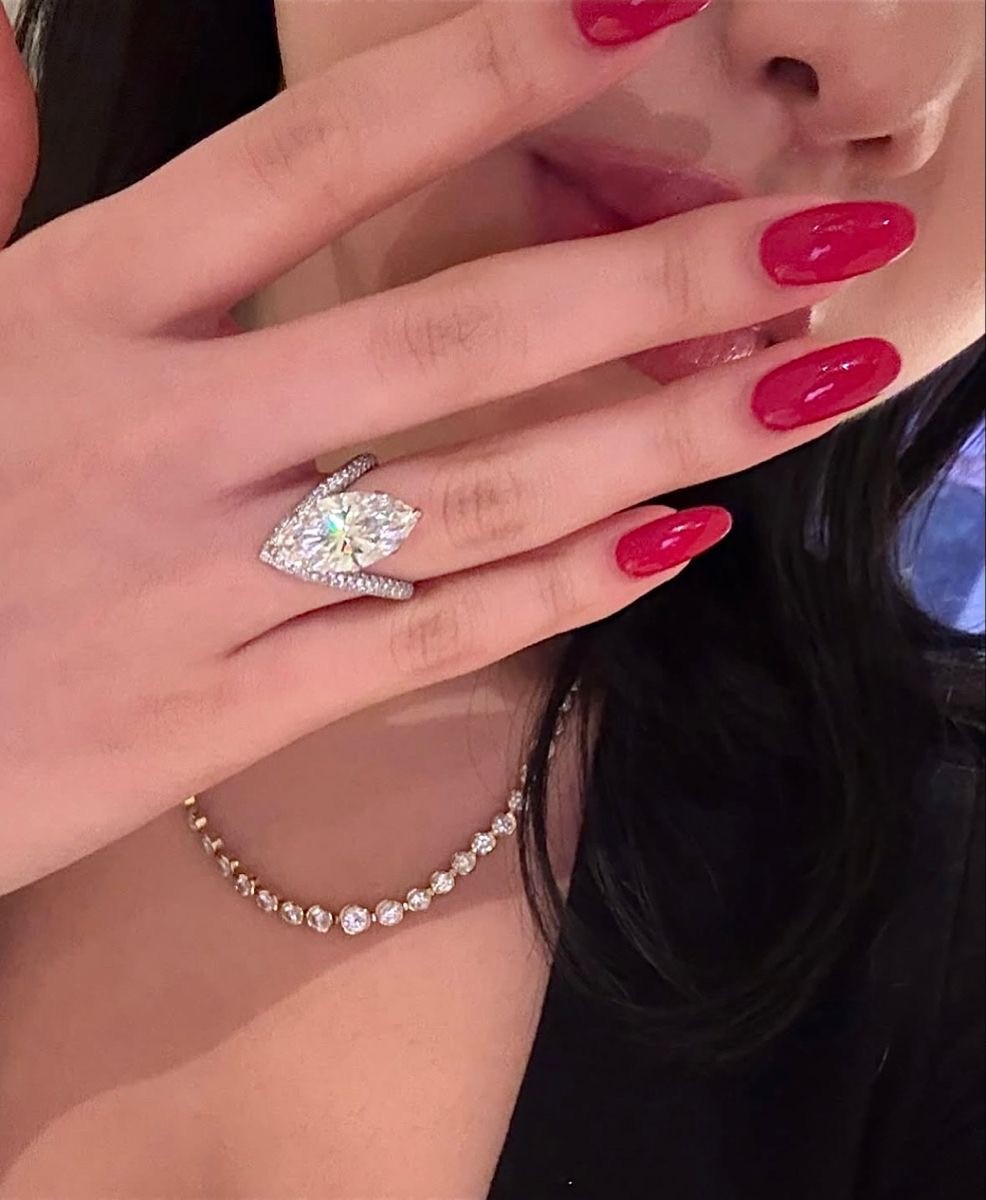
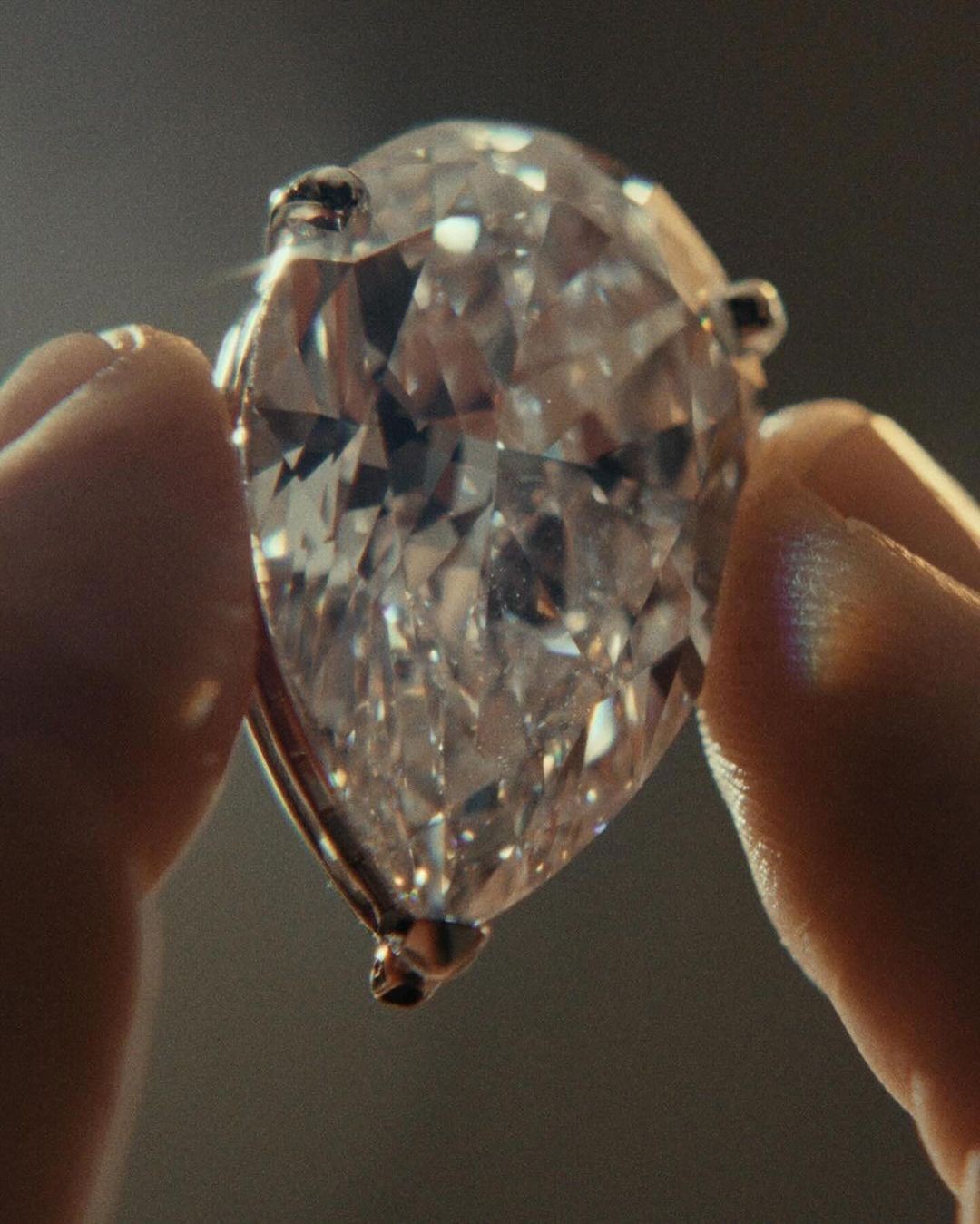
Engagement Ring Metal Guide: Platinum vs. Gold vs. Rose Gold
The metal you choose for an engagement ring affects far more than aesthetics. It determines how the piece wears over decades, how it interacts with skin chemistry, how diamonds are secured and displayed, and ultimately how the ring ages alongside the relationship it represents. For those looking to buy engagement ring in Dubai, understanding these distinctions separates informed decisions from rushed ones.
This choice deserves the same consideration given to diamond selection. After all, while the center stone captures attention, the metal provides structure, security, and context for everything else. The decision between platinum, white gold, yellow gold, and rose gold involves balancing durability requirements, aesthetic preferences, lifestyle factors, and long-term maintenance realities.
Understanding Precious Metals for Engagement Rings
All precious metals used in fine jewelry are alloyed—pure metals are too soft for structural applications. The specific alloy composition determines each metal's performance characteristics, appearance, and how it responds to daily wear.
Purity Standards:
- Platinum: Typically 95% pure (950 platinum, alloyed with 5% ruthenium, iridium, or cobalt)
- 18k Gold: 75% pure gold (18 parts gold, 6 parts other metals)
- 14k Gold: 58.3% pure gold (14 parts gold, 10 parts other metals)
The alloying metals aren't arbitrary—they're engineered for specific properties. Platinum's alloys increase hardness while maintaining density. Gold's alloys determine both color (yellow, white, rose) and working characteristics. These technical choices cascade into how your engagement ring performs over years of wear.
Platinum: The Standard of Permanence
Platinum has dominated high-end engagement rings for over a century, particularly in Europe and among those who prioritize durability above all else. Its reputation rests on specific material properties that make it functionally superior for certain applications.
Material Characteristics
Density and Weight:
Platinum is approximately 60% denser than 14k gold, meaning an identical ring design weighs significantly more in platinum. This heft signals substance to some clients, though others find it heavy for daily wear. For delicate hands or clients unaccustomed to wearing rings, this weight difference is tangible.
Durability and Wear:
When platinum scratches, metal displaces rather than wearing away. The material develops what jewelers call "patina"—a network of fine surface scratches that creates a subtle matte finish over time. Some clients treasure this lived-in character; others prefer maintaining high polish through periodic refinishing. Unlike gold, platinum doesn't thin at stress points over decades, making it objectively superior for securing high-value diamonds long-term.
Hypoallergenic Properties:
Platinum's high purity (95% versus gold's 58-75%) minimizes allergic reactions. Clients with nickel sensitivity often find platinum their only option, as white gold alloys frequently contain nickel.
Aesthetic Considerations
Platinum's natural white color provides neutral backdrop for diamonds, neither warming nor cooling their appearance. This neutrality allows the stone's inherent color to present accurately—critical when working with higher color grades (D-F) where even subtle tinting from yellow gold might be visible.
The metal's density also enables finer, more delicate settings. Micro-pavé work, knife-edge bands, and intricate milgrain details all benefit from platinum's strength-to-size ratio. You can achieve looks in platinum that would be structurally unsound in gold.
Practical Realities
Maintenance:
Platinum develops patina naturally. Restoring high polish requires professional buffing every 1-2 years depending on wear. Some clients embrace the matte character; others maintain mirror finish religiously. Neither approach is correct—it's aesthetic preference.
Resizing:
Platinum's high melting point and density make resizing more technically demanding and therefore more expensive than gold. Reputable jewelers can resize platinum rings, but the process requires specialized equipment and expertise.
Cost:
Platinum typically costs 40-60% more than 18k white gold for identical designs due to material cost, greater weight, and specialized labor requirements. This premium buys tangible material advantages, but whether those advantages matter depends on your priorities.
White Gold: Modern Versatility
White gold represents the most popular choice globally for engagement rings, balancing platinum's aesthetic with gold's workability and cost advantages. However, "white gold" is more complex than it initially appears.
Composition and Rhodium Plating
White gold isn't naturally white—it's yellow gold alloyed with whitening metals (palladium, nickel, or manganese). Even with these alloys, the result is typically slightly warm or grayish. To achieve the bright white finish consumers expect, nearly all white gold jewelry receives rhodium plating—a thin surface layer of rhodium, a platinum-group metal.
This plating is not permanent. Depending on wear patterns, skin chemistry, and ring design, rhodium plating wears through in 1-3 years, requiring re-plating to maintain bright white appearance. This is not a defect—it's intrinsic to white gold.
Material Performance
Durability:
18k white gold offers excellent durability for engagement rings, though not quite matching platinum's displacement characteristics. The metal will thin slightly at high-wear points over decades. For most clients with normal wear patterns, this difference is negligible over typical ownership periods.
14k white gold, being harder due to higher alloy content, resists scratching slightly better than 18k but has less pure gold content. The choice between 14k and 18k often comes down to regional preferences (14k dominates in the US, 18k in Europe and Middle East) and budget considerations.
Workability:
Gold's lower melting point and superior malleability allow for easier sizing, repairs, and modifications. This practical advantage matters over a ring's lifetime—engagement rings often require sizing after pregnancy, weight changes, or seasonal temperature variations.
Aesthetic Flexibility
White gold's bright, reflective surface after rhodium plating creates maximum brilliance for diamonds, particularly in pavé settings where numerous small stones benefit from reflective metal surroundings. The cool tone complements diamonds graded H and higher especially well.
However, the rhodium plating maintenance requirement is real. Clients should understand they're committing to periodic re-plating to maintain that showroom appearance. For those who buy engagement ring in Dubai from reputable jewelers like Reve Diamonds, this service is typically straightforward, but it's a long-term consideration.
Yellow Gold: Traditional Warmth
Yellow gold represents jewelry's historical foundation—the warm, lustrous metal that has signified value across cultures for millennia. Its recent resurgence in engagement rings reflects broader design trends toward vintage inspiration and warmer aesthetics.
The Classic Choice
Yellow gold requires no plating—its color is intrinsic to the alloy. An 18k yellow gold ring looks the same in five years as it does new, aside from surface scratches that affect all metals. This "what you see is what you get" quality appeals to clients tired of maintenance requirements.
Alloy Composition:
Yellow gold's color comes from the ratio of pure gold to copper and silver in the alloy. 18k yellow gold (75% pure) displays richer, more saturated yellow than 14k (58.3% pure), which appears slightly paler due to higher alloy content.
Performance Characteristics
Durability:
Yellow gold performs similarly to white gold in structural terms—both are gold alloys with comparable hardness. The primary difference is cosmetic: scratches on yellow gold remain yellow (less visually prominent), while scratches on rhodium-plated white gold expose the underlying metal, appearing darker until re-plating.
Skin Tone Interaction:
Yellow gold warms cooler skin tones and harmonizes beautifully with warm complexions. This isn't purely aesthetic—how metal color interacts with skin affects how often you notice and appreciate the ring. Clients should try pieces on, observing them over several minutes in natural light.
Diamond Considerations
Yellow gold's warmth can actually benefit certain diamonds. For stones in the near-colorless range (G-J), yellow gold settings minimize the appearance of subtle yellow tinting in the diamond by providing warm context. A J-color diamond in yellow gold often appears whiter than the same stone in platinum or white gold, where the cool metal emphasizes any warmth in the stone.
This characteristic allows strategic budget allocation—pairing yellow gold with slightly lower color grades can deliver better visual results than forcing a cool metal with a warm-toned diamond.
Rose Gold: Contemporary Romance
Rose gold's popularity has surged over the past decade, driven by its distinctive warm pink tone and association with vintage and romantic aesthetics. The metal performs identically to yellow gold structurally—the difference is purely chromatic.
Color Origins
Rose gold's signature hue comes from higher copper content in the alloy. While 18k yellow gold might be 75% gold, 20% copper, and 5% silver, 18k rose gold adjusts to roughly 75% gold, 22.5% copper, and 2.5% silver. This increased copper creates the pink tone while also slightly increasing hardness.
Aesthetic Impact
Rose gold's warmth exceeds yellow gold's, creating distinctive appearance that either captivates or doesn't resonate—there's rarely middle ground. For clients drawn to it, rose gold offers something genuinely different from traditional options.
Skin Tone Compatibility:
Rose gold particularly complements warm and neutral skin tones, creating harmonious contrast. On cooler skin tones, the effect can be striking—either beautifully dramatic or discordant depending on personal taste.
Diamond Interaction:
Like yellow gold, rose gold's warmth can camouflage slight color in near-colorless diamonds. The effect is even more pronounced due to the stronger pink tone. This makes rose gold an intelligent choice for maximizing perceived diamond quality while managing budget.
Practical Considerations
Rose gold requires no plating and maintains its color permanently, like yellow gold. The copper content can occasionally cause slight skin discoloration (green tinting) in people with particular body chemistry, though this is uncommon with 18k rose gold and purely cosmetic.
The metal has become popular enough that resale concerns have diminished—rose gold engagement rings now have established market presence. However, trends do shift, and rose gold's current popularity may or may not endure, while platinum and yellow gold's classic status remains constant.
Mixed Metal Designs
Increasingly, engagement rings combine multiple metals to achieve specific aesthetic or functional goals. Common applications include:
Two-Tone Settings:
Yellow or rose gold shanks with white gold or platinum heads showcase the center diamond in cool-toned metal while providing warmer character to the band. This approach delivers platinum's diamond-securing advantages where it matters most while managing cost and aesthetic balance.
Accent Integration:
Platinum prongs on gold settings, or gold milgrain details on platinum bands create visual interest while leveraging each metal's strengths.
These mixed approaches require careful execution—the metals must be joined securely, and future maintenance (sizing, re-tipping prongs) becomes more complex. Work with jewelers experienced in mixed-metal construction.
Making Your Decision: A Framework
When you buy engagement ring in Dubai from specialists like Reve Diamonds, the consultation should address these practical questions:
Lifestyle Assessment
Physical Activity:
Do you work with your hands? Exercise frequently? Play sports? Higher activity levels favor platinum or 14k gold over softer 18k options.
Aesthetic Maintenance:
Are you comfortable with patina development (platinum) or committed to periodic re-plating (white gold)? Or do you prefer the maintenance-free nature of yellow or rose gold?
Skin Sensitivity:
Any known metal allergies? Platinum offers maximum hypoallergenic properties, while white gold alloys may contain nickel.
Aesthetic Priorities
Diamond Enhancement:
What color grade is your center stone? Higher colors (D-F) benefit from platinum or white gold's neutrality. Lower colors (G-J) often look better in yellow or rose gold.
Personal Style:
Contemporary and cool-toned? Platinum or white gold. Vintage or warm aesthetic? Yellow or rose gold. Your existing jewelry collection often signals natural preferences.
Proportional Balance:
Smaller hands can be overwhelmed by platinum's weight and visual heft. Delicate designs often work better in gold, while substantial architectural settings benefit from platinum's structural capabilities.
Long-Term Considerations
Resizing Likelihood:
If you anticipate needing sizing (weight fluctuations, pregnancy plans), gold's easier resizing becomes relevant.
Budget Allocation:
Platinum's premium might be better allocated to diamond quality. Alternatively, choosing gold allows upgrading diamond size while maintaining overall budget.
Wedding Band Coordination:
Most couples match engagement ring and wedding band metals. Consider your partner's eventual wedding ring—will they likely prefer traditional yellow gold or contemporary platinum?
The Reve Diamonds Approach
At Reve Diamonds, our metal recommendations emerge from understanding how you'll actually wear the ring. We work with GIA-certified diamonds across all metal types, having learned over three generations that the "best" metal doesn't exist—only the best metal for your specific circumstances.
As specialists in both diamond trading and bespoke jewelry creation, we source materials at trade level, meaning metal choice doesn't carry the inflated premiums common in retail. This allows you to select based on what genuinely serves your needs rather than what fits arbitrary price points.
Our RJC certification extends to metal sourcing—all precious metals we use carry documented provenance from responsible refiners. This transparency matters particularly for platinum, where ethical sourcing practices vary significantly across supply chains.
Beyond the Ring: Complete Context
The engagement ring exists within broader jewelry context. Many clients build coordinated collections—engagement ring, wedding band, anniversary pieces—and metal consistency across these pieces creates cohesion. Others prefer intentional variety.
Consider how the engagement ring will interact with:
- Your partner's eventual wedding band (matching metal simplifies finding complementary designs)
- Their existing jewelry collection (do they wear primarily yellow gold, white gold, or mix metals?)
- Professional environment (certain fields favor conservative white metals; creative industries embrace gold warmth)
These contextual factors often clarify decisions more effectively than isolated metal comparisons.
Frequently Asked Questions
Which metal is best when you buy engagement ring in Dubai?
No single metal is objectively "best"—the right choice depends on your priorities. Platinum offers maximum durability, density, and hypoallergenic properties but costs 40-60% more than white gold and develops patina requiring maintenance if you prefer high polish. White gold balances platinum's aesthetic with easier sizing and lower cost but requires rhodium re-plating every 1-3 years. Yellow gold and rose gold eliminate plating maintenance, warm diamond appearance (beneficial for G-J color grades), and cost less than platinum while offering comparable structural durability. The decision should weigh lifestyle factors, diamond characteristics, aesthetic preferences, and budget allocation. At Reve Diamonds, we guide clients through these considerations based on how they'll actually wear the ring, not abstract ideals.
Does platinum last longer than gold for engagement rings?
Platinum's longevity advantage is real but often overstated. Platinum displaces rather than wearing away when scratched, meaning it doesn't thin at stress points over decades the way gold eventually can. For rings worn 50+ years, this matters—platinum rings maintain structural integrity longer. However, for typical ownership periods (10-30 years), quality 18k gold performs excellently. The practical difference is that platinum can secure a valuable diamond indefinitely with minimal metal loss, while gold may eventually require prong re-tipping or shank rebuilding after extreme long-term wear. For most clients, both metals last lifetimes with reasonable care. Platinum's advantage is extreme longevity; gold's advantage is easier maintenance and repair when needed.
Why does white gold turn yellow over time?
White gold doesn't actually turn yellow—the rhodium plating wears through, revealing the underlying metal's natural color. White gold is yellow gold alloyed with whitening metals (palladium, nickel, or manganese), but even with these alloys, the base metal retains slight warmth or grayish tone. Rhodium plating provides the bright white finish consumers expect, but this plating is only 1-2 microns thick and wears through with friction, typically within 1-3 years depending on wear patterns and skin chemistry. Re-plating restores the bright white appearance and is a standard maintenance procedure, usually costing AED 200-400 in Dubai. This isn't a defect—it's intrinsic to white gold. Clients should factor periodic re-plating into their long-term expectations.
Is rose gold suitable for engagement rings or just a trend?
Rose gold performs identically to yellow gold structurally—both are gold alloyed with copper and silver, with rose gold containing slightly more copper to create the pink tone. It's perfectly suitable for engagement rings from a durability standpoint. The "trend" question is aesthetic rather than functional. Rose gold experienced renewed popularity over the past decade after earlier peaks in the 1920s and 1990s, suggesting cyclical rather than permanent trend status. However, the metal has become established enough that resale concerns have diminished. If you're drawn to rose gold's warmth, it's a valid choice. If you're selecting it because it feels current, consider whether you'll still appreciate the aesthetic in 20 years. Rose gold particularly suits vintage-inspired designs and complements warm skin tones beautifully.
Can you mix metals in an engagement ring design?
Yes, mixed metal designs are both technically viable and increasingly popular. Common applications include platinum or white gold heads (where the center diamond sits) with yellow or rose gold shanks, combining cool-toned diamond presentation with warm band character. Platinum prongs on gold settings provide maximum stone security where it matters most while managing cost. Gold milgrain or detailing on platinum bands adds visual interest. However, mixed metal construction requires expertise—metals must be joined securely, and future maintenance becomes more complex. Resizing mixed-metal rings is more involved than single-metal pieces. When working with jewelers like Reve Diamonds who specialize in bespoke creation, mixed metal designs are absolutely feasible and can achieve distinctive aesthetic goals impossible with single metals.
How does metal choice affect diamond appearance?
Metal color significantly impacts diamond perception. Cool white metals (platinum, white gold) provide neutral backdrop that neither warms nor cools diamond color, making them ideal for higher color grades (D-F) where you want to preserve colorless appearance. However, these same cool metals can emphasize subtle warmth in near-colorless diamonds (G-J). Warm metals (yellow gold, rose gold) actually minimize the appearance of slight yellow tinting in G-J diamonds by providing warm context—the diamond appears whiter by contrast. This allows strategic budget allocation: pairing yellow or rose gold with slightly lower color grades can deliver better visual results than forcing platinum with a warm-toned diamond. Additionally, metal reflectivity affects brilliance in pavé settings—white gold's rhodium plating creates maximum reflective surface for side stones.
What metal should I choose if my partner has sensitive skin?
Platinum is the most hypoallergenic option due to its high purity (95% platinum versus 75% gold in 18k). Metal allergies typically react to alloying metals rather than pure gold or platinum. White gold frequently contains nickel in its alloy, which causes reactions in approximately 10-15% of people—if your partner has known nickel sensitivity, avoid white gold unless the jeweler can confirm palladium-alloyed white gold (more expensive but nickel-free). Yellow gold and rose gold rarely cause reactions at 18k purity, though rose gold's high copper content occasionally causes slight skin discoloration (green tinting) in people with particular body chemistry—this is cosmetic and harmless but can be concerning. For maximum safety with sensitive skin, choose platinum or confirm the specific alloy composition with your jeweler before purchase.
