
Investing in Diamonds: What Makes a Diamond Hold Its Value
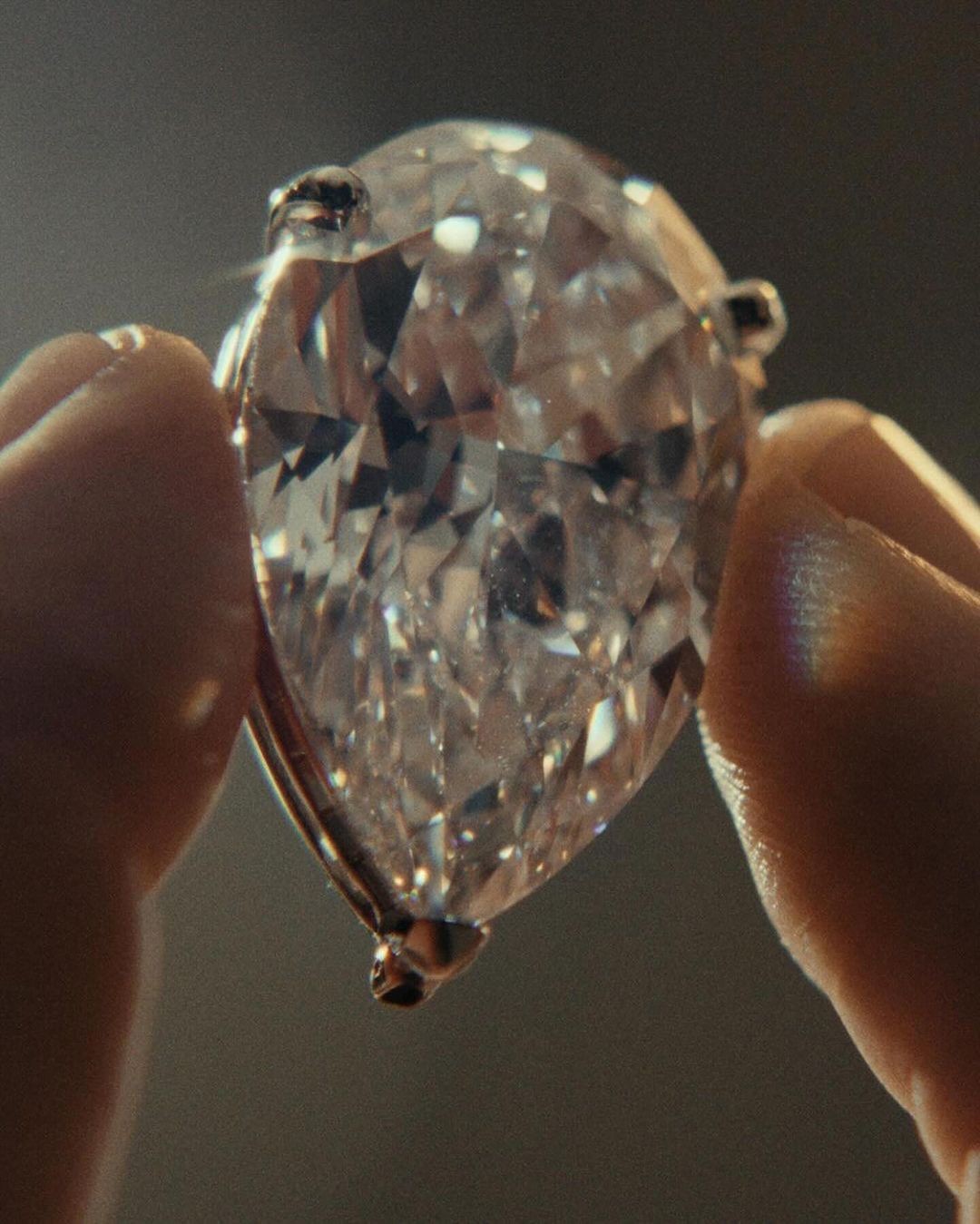
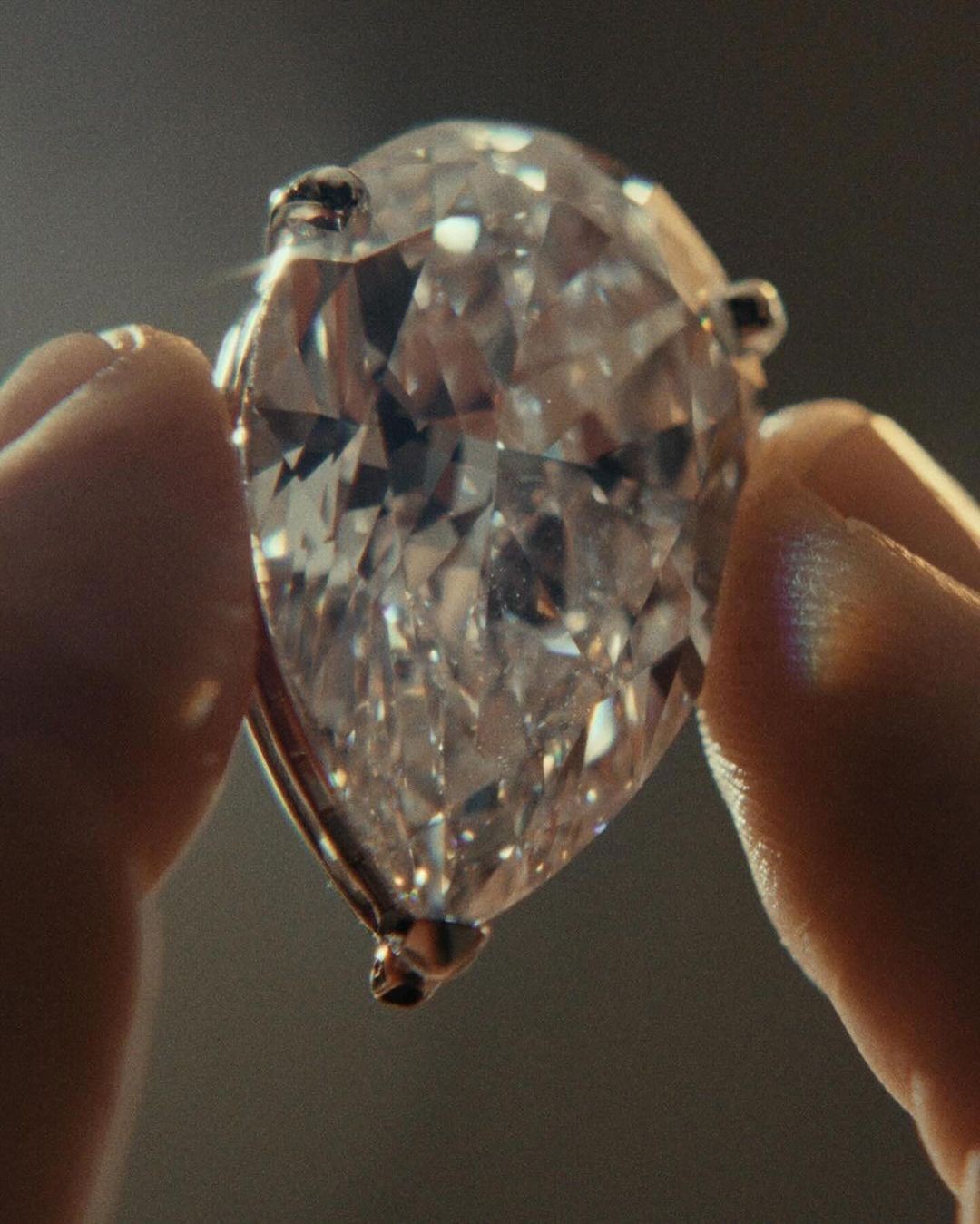
Diamonds as an Investment: What Makes a Gemstone Hold Its Value?
In the world of alternative assets, few commodities carry the same allure-or the same physical concentration of wealth-as the diamond. For centuries, these stones have served as more than just adornments; they have been portable repositories of value, hedges against inflation, and symbols of enduring legacy.
However, moving from a casual admirer to a strategic collector requires an understanding of the nuances that define "investment grade." As a third-generation Antwerp diamantaire based in Dubai, Reve Diamonds views diamonds as an investment through a lens of rarity, technical precision, and historical performance.
In this guide, we explore the structural factors that allow a diamond to hold its value and how discerning investors navigate the luxury market in 2026.
The Fundamentals of Diamonds as an Investment
Unlike gold, which is priced by weight and purity in a standardized global market, diamonds are unique assets. Their value is determined by a complex interplay of the "Four Cs," but from an investment perspective, we must look deeper into the concept of "rarity."
Natural Scarcity vs. Market Demand
The primary reason natural diamonds hold their value is simple: they are a finite resource. While the jewelry market has seen the rise of lab-grown alternatives, the investment community remains focused on natural diamonds in Dubai and globally. This is because the secondary market for investment-grade stones relies on geological rarity-something that cannot be replicated in a laboratory.
Portability and Privacy
For high-net-worth individuals, diamonds represent a unique financial tool. A single stone weighing just a few grams can hold the same value as several kilograms of gold, making it the most portable form of significant wealth in the world.
The Anatomy of an Investment-Grade Diamond
To ensure a diamond holds its value over decades, it must sit within the top percentiles of quality. While any diamond has intrinsic beauty, only a small fraction is considered "investment grade."
1. The Role of GIA Certification
In the professional trade, a diamond without a reputable laboratory report is a speculative risk. We always advise our clients to prioritize GIA-certified diamonds in Dubai. The Gemological Institute of America (GIA) provides the industry's most rigorous and universally accepted grading standards. An investment diamond’s "pedigree" is its certificate; it ensures that when the time comes to liquidate, the stone’s characteristics are beyond dispute.
2. The "Sweet Spot" for Color and Clarity
While D-Flawless stones are the pinnacle of perfection, they often command a "perfection premium" that may not always appreciate at the same rate as more liquid grades.
- Color: For the best balance of value retention and resale liquidity, investors often look at the D to F (Colorless) range.
- Clarity: Stones graded Internally Flawless (IF) to Very Very Slightly Included (VVS2) are preferred. These grades ensure the stone is "eye-clean" and free of structural inclusions that could threaten its long-term integrity.
3. Precision of Cut
A diamond’s "fire" and brilliance are what drive emotional demand, and demand drives price. An "Excellent" or "Ideal" cut is non-negotiable for an investment stone. A poorly cut diamond, regardless of its size, will struggle to hold value because it lacks the optical performance that collectors prize.
Why the Dubai Market is Central to Diamond Investing
Dubai has rapidly evolved into one of the world’s leading hubs for the diamond trade, rivaling Antwerp and Mumbai. For those looking to acquire stones for wealth preservation, the city offers distinct advantages.
Transparency and Regulation
The Dubai Diamond Exchange (DDE) ensures that the trade is governed by strict ethical standards and the Kimberley Process. This transparency is vital for investors who must be certain of the conflict-free origin and authenticity of their assets.
Access to Bespoke Craftsmanship
Investing in a loose stone is a common strategy, but many collectors choose to set their assets into bespoke engagement rings in Dubai or high-jewelry pieces. By combining an investment-grade stone with world-class craftsmanship, the piece gains "aesthetic value," which can often exceed the value of the loose stone alone in the secondary auction market.
Historical Performance: Diamonds vs. Traditional Assets
When analyzing diamonds as an investment, it is important to view them as a long-term play-typically a 10 to 20-year horizon.
- Hedge Against Inflation: Historically, high-quality diamonds have shown a low correlation with traditional stock markets. When fiat currencies fluctuate, tangible assets like diamonds tend to remain stable.
- The Fancy Color Premium: While white diamonds offer stability, Fancy Color Diamonds (pinks, blues, and yellows) have historically seen the highest rates of appreciation due to their extreme rarity. Some elite pink diamonds have outperformed the S&P 500 over certain decades.
Strategies for the Discerning Investor
If you are considering adding diamonds to your portfolio, follow these insider principles:
- Focus on Liquidity: Buy the grades that are most in demand. A 2-carat, GIA-certified, G-color, VS1 round brilliant is often easier to resell quickly than a highly specialized or unusually shaped stone.
- Avoid Retail Markups: Work with firms like Reve Diamonds that operate at the source level. Buying from a third-generation diamantaire ensures you are paying a price closer to the "Rapaport" (wholesale) value rather than inflated retail prices.
- Diversify Shapes: While Round Brilliants are the most liquid, "Fancy Shapes" like Ovals and Emerald cuts are seeing a significant surge in demand in 2026, often holding their value better in the fashion-forward luxury sectors.
Frequently Asked Questions
Do diamonds actually increase in value?
High-quality, natural diamonds have historically appreciated at a rate that keeps pace with or exceeds inflation. However, they are long-term assets. Rare stones, particularly fancy colored diamonds, have shown significant capital growth over the last 20 years.
Is it better to invest in gold or diamonds?
Gold is a highly liquid commodity with a daily set price. Diamonds are more "individual" assets. Gold is better for short-term liquidity, while diamonds offer higher portability and the potential for higher premiums due to rarity and craftsmanship.
Can lab-grown diamonds be an investment?
Currently, lab-grown diamonds do not hold significant resale value. Because they can be produced in unlimited quantities, they lack the "scarcity" required for an investment asset. For wealth preservation, natural diamonds remain the industry standard.
What is the most important "C" for investment?
While all 4Cs matter, Cut is often considered the most important for value because it determines the stone's beauty and light performance. However, for sheer rarity, Carat Weight and Color typically drive the highest price jumps.
How do I resell an investment diamond in Dubai?
You can resell through specialized diamond traders, auctions, or via private consignment. Having an up-to-date GIA certificate and the original purchase provenance from a reputable firm like Reve Diamonds is essential for a smooth transaction.
Conclusion: A Legacy of Brilliance
Investing in diamonds is a marriage of financial logic and aesthetic appreciation. In an era of digital assets and volatile markets, the physical weight of a GIA-certified stone offers a sense of security that few other investments can match. By focusing on rarity, certification, and expert guidance, you can ensure that your diamond is not just a beautiful object, but a resilient asset for generations to come.
Are you ready to explore investment-grade stones for your collection or to begin the journey of creating a bespoke masterpiece? Contact our expert consultants at Reve Diamonds Dubai today.
