
How to Choose the Perfect Diamond Shape for Your Ring

Diamond Shapes Explained: How to Choose the Perfect Diamond Shape for Your Ring
Choosing a diamond is often framed as a question of size or budget. In reality, the most important aesthetic decision comes much earlier:
The shape.
Diamond shape determines how a ring feels on the hand, how light behaves within the stone, how large it appears, and even how it is perceived socially. It is not just a design choice-it is a statement of personal style, lifestyle, and intention.
For clients looking to buy an engagement ring in Dubai, diamond shape is where emotion meets engineering. It is the point where personal identity intersects with gemological reality.
This guide explains diamond shapes the way professionals understand them-not as trends, but as structural categories with distinct optical, cultural, and value implications.
Diamond Shape vs Diamond Cut: A Critical Distinction
Before going further, one clarification is essential.
- Shape refers to the outline of the diamond (round, oval, emerald, etc.)
- Cut refers to how well the diamond is proportioned and faceted
A diamond can be beautifully cut within any shape.
But each shape behaves very differently.
Professionals choose shape first.
They evaluate cut second.
The Two Families of Diamond Shapes
All diamond shapes fall into one of two structural families:
1. Brilliant Cuts
Designed for maximum sparkle and fire.
Examples:
- Round
- Oval
- Cushion
- Pear
- Marquise
- Heart
- Radiant
These shapes prioritise light performance.
2. Step Cuts
Designed for elegance and clarity.
Examples:
- Emerald
- Asscher
- Baguette
These shapes prioritise transparency and geometry.
This distinction matters because it affects:
- How inclusions appear
- What clarity is required
- How the diamond looks in real light
Round Brilliant: The Global Benchmark
The round brilliant is the most popular diamond shape in the world.
It represents:
- Maximum brilliance
- Highest liquidity
- Strongest resale market
Why Professionals Love Round Diamonds
- Optimised light return
- Most forgiving for color and clarity
- Universally flattering on all hands
- Easiest to source in high quality
Round diamonds are also the most expensive per carat, simply because demand is highest and cutting requires sacrificing more rough material.
They are the safest, most timeless choice.
Oval: Modern Elegance with Size Illusion
The oval diamond has become one of the fastest-growing shapes in luxury markets.
Why?
Because it offers:
- Brilliant-cut sparkle
- Elongated silhouette
- Larger face-up appearance
- Softer, contemporary aesthetic
Professionals often recommend oval diamonds for clients who want:
- A modern look
- Maximum visual size
- Strong brilliance without round pricing
Oval is one of the best value shapes in the market today.
Emerald Cut: Understated Luxury
The emerald cut is a step cut, meaning it reflects light in broad flashes rather than sparkle.
It is chosen by clients who value:
- Architectural lines
- Quiet sophistication
- Vintage elegance
Professional Considerations for Emerald Cuts
Emerald cuts require:
- Higher clarity (VS or better)
- Better color (G or above)
- Excellent symmetry
They reveal everything. There is nowhere to hide.
Emerald cut buyers tend to be the most confident and design-driven clients in the market.
Cushion: Romantic and Timeless
Cushion cuts combine:
- Rounded corners
- Soft pillow shape
- Brilliant-style faceting
They offer:
- Vintage charm
- Strong sparkle
- Versatile setting options
Cushion diamonds are popular in bespoke engagement rings because they adapt beautifully to both modern and classic designs.
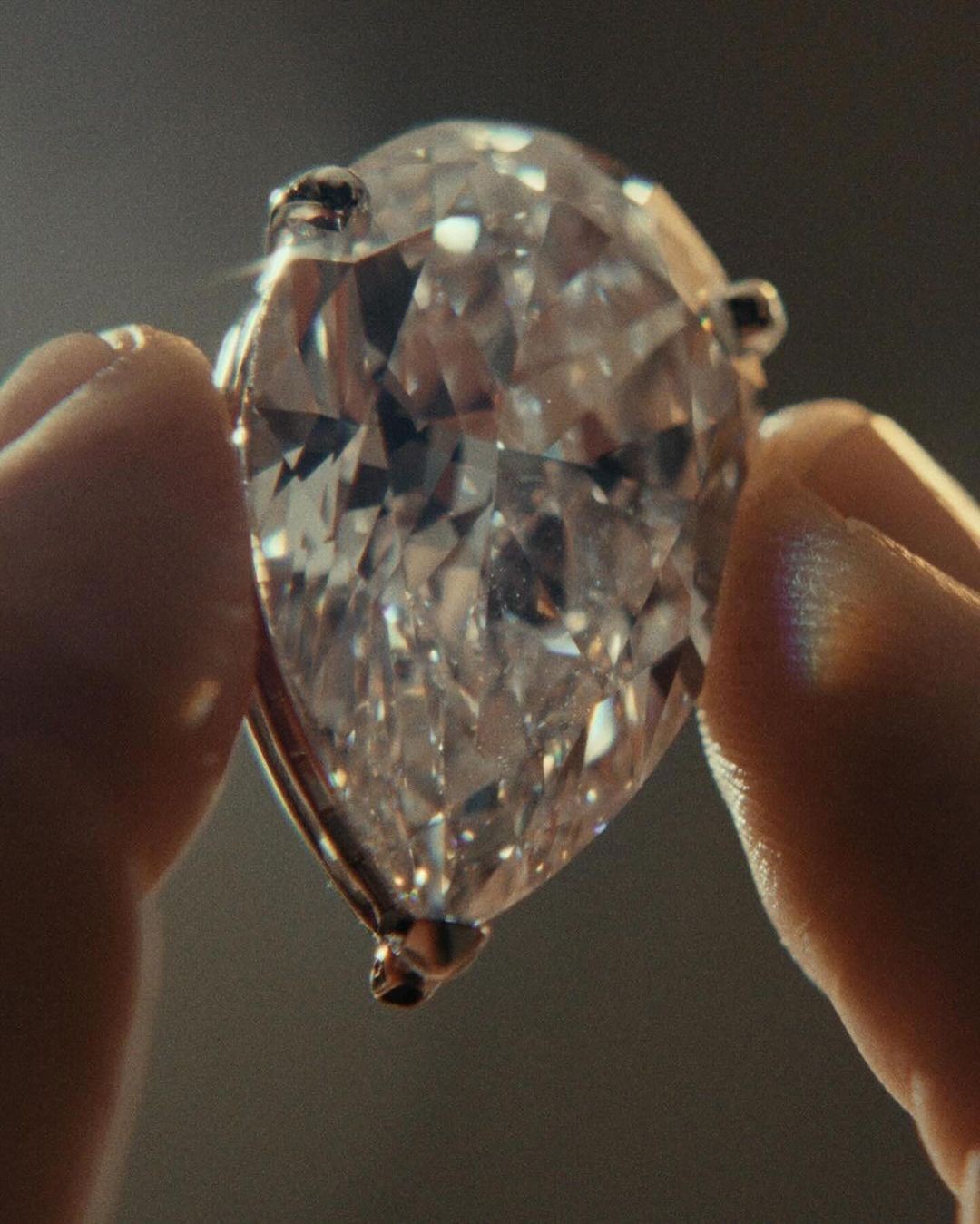
Pear: Statement and Individuality
The pear shape (also called teardrop) blends round and marquise characteristics.
It creates:
- Dramatic elongation
- Strong finger-flattering effect
- Distinctive visual identity
Pear shapes require careful symmetry and cut precision. Poorly cut pears lose brilliance quickly.
When executed well, they are among the most striking shapes available.
Marquise: Maximum Size Illusion
The marquise cut offers:
- The largest face-up appearance per carat
- Extreme elongation
- Bold, fashion-forward aesthetic
Historically associated with royalty and high jewellery, marquise diamonds are chosen by clients who want something unapologetically distinctive.
They require:
- Excellent symmetry
- Strong cut quality
- Thoughtful setting to protect tips
Radiant: Brilliance with Geometry
Radiant cuts combine:
- Square or rectangular outline
- Brilliant faceting
- Strong sparkle
They suit clients who want:
- Modern structure
- Maximum fire
- Versatility in design
Radiant cuts are excellent for:
- Hidden halo designs
- Statement solitaires
- Contemporary engagement rings
Asscher: Art Deco Precision
Asscher cuts are square emerald cuts with deep step facets.
They offer:
- Strong symmetry
- Hall-of-mirrors effect
- Architectural presence
They require:
- High clarity
- Excellent proportions
- Precise craftsmanship
Asscher is for buyers who appreciate design heritage and geometric purity.
How Diamond Shape Affects Value
Diamond shape directly influences pricing.
Highest Price Per Carat:
- Round brilliant
Best Value Shapes:
- Oval
- Cushion
- Pear
- Radiant
Most Demanding in Quality:
- Emerald
- Asscher
Round diamonds cost more because:
- They waste more rough
- Demand is highest
- They trade most easily
Fancy shapes often offer better size and visual impact for the same budget.
Diamond Shape and the 4 Cs
Different shapes interact differently with the 4 Cs.
Brilliant Shapes:
- Hide inclusions better
- Tolerate lower clarity
- Mask slight color
Step Cuts:
- Reveal inclusions
- Require higher clarity
- Show color more easily
This is why emerald and asscher cuts are usually more expensive at the same grade-they require stricter quality.
Diamond Shape and Hand Type
Professionals often consider hand structure when advising shape.
Short Fingers:
- Oval
- Pear
- Marquise
Long Fingers:
- Round
- Cushion
- Emerald
Wide Fingers:
- Elongated shapes
- Larger spreads
This is not about rules-it is about proportion and visual balance.
Bespoke Design and Diamond Shape
In bespoke jewellery, shape dictates everything:
- Setting style
- Prong structure
- Band width
- Side stone design
- Overall visual identity
This is why shape selection always comes before design sketches.
Explore: /bespoke-engagement-rings-dubai
Natural vs Lab-Grown and Shape Choice
Both natural and lab-grown diamonds are available in all shapes.
However:
- Natural fancy shapes can be rarer and more valuable
- Lab-grown shapes are easier to source in large sizes
- Step cuts in lab-grown stones often show growth patterns
Professionals still prefer natural diamonds for engagement rings where shape rarity and long-term value matter.
Explore:
- /natural-diamonds-dubai
- /gia-certified-diamonds-dubai
The Insider Framework for Choosing a Diamond Shape
Professionals use three questions:
- What is the client’s personal style?
- Do they prefer brilliance or elegance?
- Is visual size or rarity more important?
Then they match shape accordingly.
There is no “best” shape.
There is only the right shape for the right person.
Common Mistakes Buyers Make
- Choosing shape based on trends
- Ignoring cut quality within shape
- Overlooking clarity requirements
- Not considering hand proportions
- Designing before selecting the stone
Shape is not decoration.
It is structure.
FAQ: Diamond Shapes Explained
1. What is the most popular diamond shape?
Round brilliant remains the most popular worldwide.
2. Which diamond shape looks the biggest?
Marquise, oval, and pear offer the largest visual size per carat.
3. Which diamond shape sparkles the most?
Round brilliant offers the highest brilliance and fire.
4. Which shape is best for engagement rings?
Round, oval, cushion, and emerald are the most commonly chosen.
5. Are fancy shapes cheaper than round?
Yes. Most fancy shapes cost less per carat than round.
6. Do step cuts need higher clarity?
Yes. Emerald and asscher cuts reveal inclusions more easily.
7. Can any shape be used in bespoke rings?
Yes. Shape determines the design, not the other way around.
Final Perspective: Shape Is the Soul of the Diamond
Carat measures weight.
Cut measures performance.
Color and clarity measure rarity.
But shape defines identity.
It is the first thing the eye perceives and the last thing anyone forgets.
Choosing a diamond shape is not about following trends.
It is about choosing the geometry that reflects who you are.
In professional diamond markets, shape is not an accessory.
It is the architecture of desire.
And in bespoke jewellery, it is where every great ring truly begins.
