
Understanding the 4 Cs of Diamonds: Expert Guide
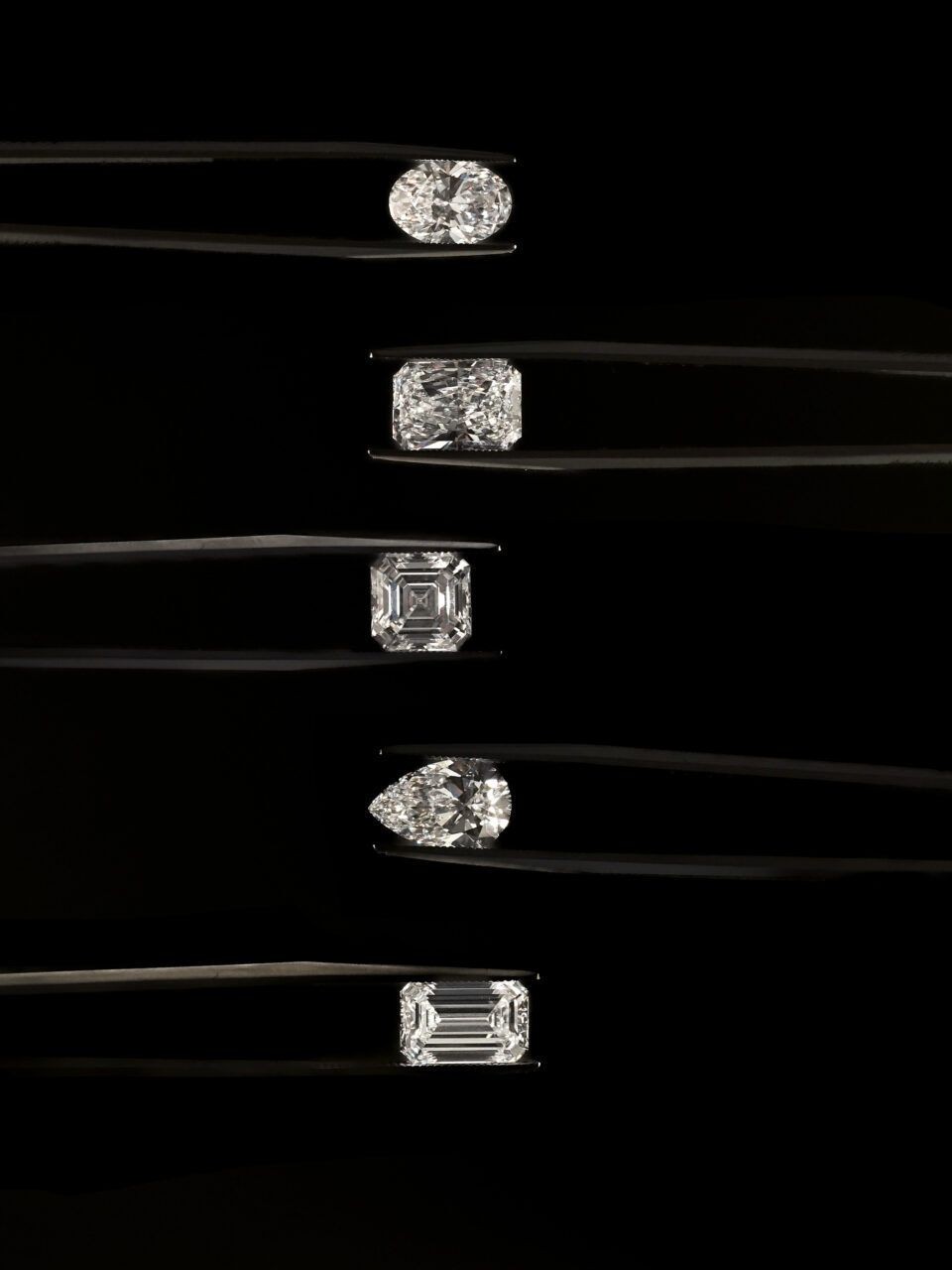
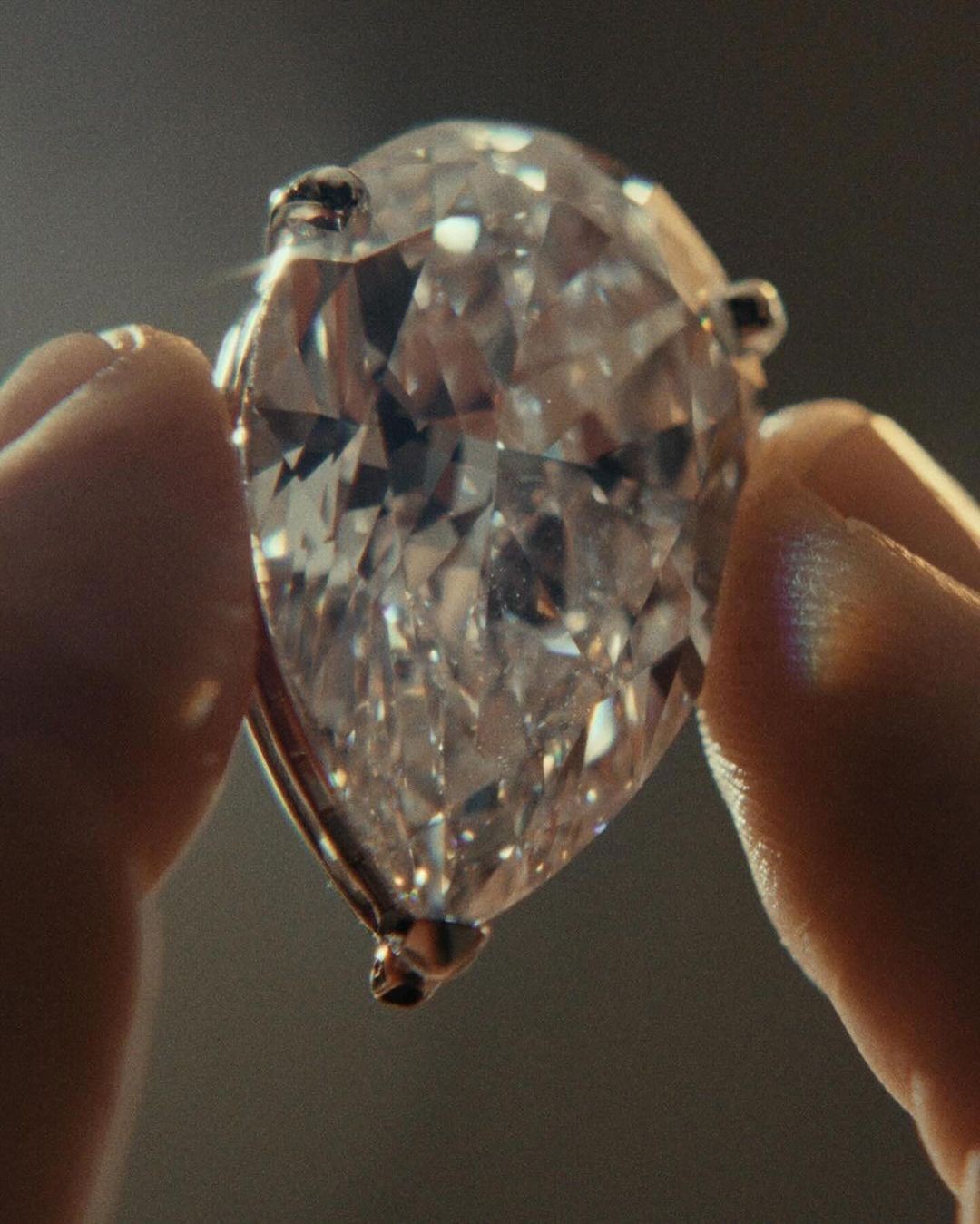
Diamond 4 Cs Explained: Cut, Color, Clarity & Carat by Experts
Every diamond tells a story-but only when you know how to read it.
Whether you are sourcing a rare investment stone or planning to buy an engagement ring in Dubai, understanding the 4 Cs of diamonds is the foundation of intelligent diamond buying. These four factors - Cut, Color, Clarity, and Carat form the global language used by gemologists, traders, and auction houses to evaluate a diamond’s quality and value.
Yet despite how widely referenced the 4 Cs are, most buyers misunderstand how they truly work in practice. Retail guides tend to oversimplify. Professional traders view them very differently.
This guide explains the diamond 4 Cs the way industry insiders do-not as marketing concepts, but as practical tools for maximising beauty, value, and long-term satisfaction.
What Are the 4 Cs of Diamonds?
The 4 Cs were formalised by the Gemological Institute of America (GIA) and are now the universal grading system for natural diamonds worldwide.
They measure:
- Cut - how well the diamond is proportioned and polished
- Color - how white or colourless the stone appears
- Clarity - the presence of internal or external inclusions
- Carat - the diamond’s weight
Together, they determine a diamond’s appearance, rarity, and price.
But here is the industry truth: not all Cs carry equal importance.
Professionals prioritise them in this order:
- Cut
- Color
- Clarity
- Carat
Retail marketing often reverses this logic. Traders never do.
Cut: The Only C That Creates Beauty
Cut is the single most important factor in a diamond’s visual performance.
It determines how light enters, reflects, and returns to the eye. A well-cut diamond appears brighter, larger, and more alive-regardless of its color or clarity.
Why Cut Matters More Than Anything Else
Two diamonds with identical carat, color, and clarity can look completely different if one is poorly cut.
Cut controls:
- Brilliance (white light)
- Fire (rainbow flashes)
- Scintillation (sparkle movement)
A poorly cut diamond leaks light. A well-cut diamond amplifies it.
Professional Cut Grades to Look For
For round brilliant diamonds, experts typically recommend:
- Excellent (GIA)
- Ideal (AGS)
And within that:
- Excellent symmetry
- Excellent polish
- Well-balanced proportions
In trading circles, cut is considered non-negotiable. Everything else is flexible.
Color: The Subtle Art of Whiteness
Diamond color refers to how much yellow or brown tint a stone contains. The scale runs from:
- D (completely colorless)
- to Z (visible yellow)
The Luxury Sweet Spot
Most experienced buyers choose:
- G-H color range
Why?
Because G and H diamonds:
- Appear white in real life
- Cost significantly less than D-F
- Offer better size for the same budget
The price difference between D and G can be substantial-yet visually, most people cannot tell the difference without laboratory comparison.
When Higher Color Makes Sense
D-F colors are typically chosen when:
- Pairing with very high clarity
- Investing in rare stones
- Setting in platinum with minimalist designs
Otherwise, G-H remains the industry’s best-kept secret.
Clarity: What the Eye Can’t See
Clarity measures internal inclusions and external blemishes.
The scale ranges from:
- FL (Flawless)
- to I3 (Included)
The Insider Rule: Buy Eye-Clean
Professional buyers don’t chase flawless diamonds. They buy eye-clean diamond-stones that show no visible inclusions without magnification.
The ideal clarity range for most engagement rings:
- VS1 - VS2
- Sometimes SI1 if truly eye-clean
Above this, you pay for microscopic purity that has no visible benefit.
When High Clarity Matters
Higher clarity becomes important for:
- Large stones (2ct+)
- Step cuts (emerald, asscher)
- Investment-grade diamonds
For everyday luxury, VS is optimal.
Carat: Weight, Not Size
Carat is the most misunderstood C.
It measures weight, not visual size.
Two diamonds with the same carat can look very different depending on:
- Cut proportions
- Shape
- Depth
How Professionals Maximise Carat
Traders often recommend:
- 0.90 instead of 1.00
- 1.80 instead of 2.00
These “just under” weights offer:
- Lower price brackets
- No visible size difference
- Better value retention
Carat should be optimised after cut quality is secured.
Never sacrifice cut for size.
How the 4 Cs Work Together
The 4 Cs are not independent. They interact.
For example:
- Higher carat amplifies color and clarity imperfections
- Excellent cut compensates for lower color
- Step cuts require higher clarity than round cuts
This is why professional diamond buying is always about balance, not perfection.
The goal is not to maximise each C.
The goal is to optimise the combination.
Natural vs Lab-Grown Diamonds and the 4 Cs
The 4 Cs apply to both natural and lab-grown diamonds. However, their value dynamics are very different.
Natural Diamonds
- Finite supply
- Long-term asset value
- Traded globally
- Preferred for heirlooms and investments
Explore: /natural-diamonds-dubai
Lab-Grown Diamonds
- Technologically created
- Chemically identical
- Lower cost
- Rapid price depreciation
Lab-grown stones may score highly on the 4 Cs, but they do not carry the same rarity or resale value.
Professionals use the 4 Cs to assess quality.
They use origin to assess value.
The Role of GIA in the 4 Cs
Not all grading labs are equal.
The Gemological Institute of America (GIA) is considered the global gold standard because:
- It applies the strictest grading criteria
- It has no commercial interest in sales
- Its certificates are accepted worldwide
A GIA report ensures:
- Objective evaluation
- International resale eligibility
- Insurance and documentation validity
Explore: /gia-certified-diamonds-dubai
Without GIA, the 4 Cs become subjective.
With GIA, they become a universal language.
The Dubai Advantage: Applying the 4 Cs Professionally
Dubai offers a rare environment where retail luxury meets professional diamond trading.
Buyers in Dubai benefit from:
- Direct access to global inventory
- GIA-certified sourcing
- Bespoke manufacturing
- Transparent price comparison
This allows clients to apply the 4 Cs at a professional level, not a retail one.
For bespoke engagement rings, this is especially powerful.
Explore: /bespoke-engagement-rings-dubai
The Insider Formula for Buying Diamonds
Diamond professionals follow one core principle:
Optimise what the eye sees. Minimise what it doesn’t.
That means:
- Invest in excellent cut
- Choose near-colorless
- Buy eye-clean clarity
- Maximise visible size, not carat number
This strategy consistently delivers:
- Better beauty
- Stronger value
- Higher long-term satisfaction
It is how traders buy.
It is how collectors buy.
It is how smart luxury buyers buy.
FAQ: Diamond 4 Cs Explained
1. What are the 4 Cs of diamonds?
The 4 Cs are cut, color, clarity, and carat-used worldwide to evaluate diamond quality and value.
2. Which of the 4 Cs is most important?
Cut is the most important because it determines brilliance and sparkle.
3. Is higher clarity always better?
Not necessarily. Eye-clean VS or SI diamonds often offer the best value.
4. What is the best color for engagement rings?
G-H offers the ideal balance of whiteness and value for most buyers.
5. Does carat mean size?
Carat measures weight, not visual size. Cut has a greater impact on how big a diamond looks.
6. Should I only buy GIA-certified diamonds?
Yes. GIA is the most trusted grading authority globally.
7. Are the 4 Cs the same for lab-grown diamonds?
Yes, but lab-grown diamonds do not retain long-term market value like natural diamonds.
Final Perspective: The 4 Cs as a Language of Value
The 4 Cs are not just grading criteria. They are the global language of diamond value.
When understood properly, they allow you to:
- Compare stones objectively
- Avoid emotional overspending
- Make informed, confident decisions
- Buy like an insider, not a tourist
In markets like Dubai-where access, expertise, and inventory converge-the 4 Cs become not just educational tools, but strategic instruments for acquiring diamonds that are beautiful, rare, and enduring.
Not just jewellery.But precision assets, shaped by light.
